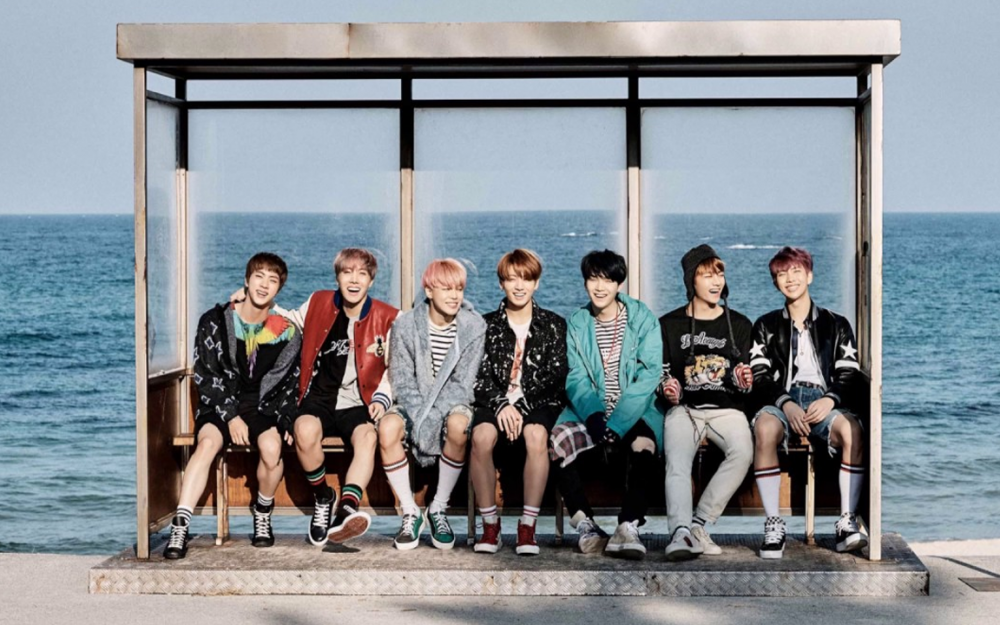
On November 23rd, Esquire Magazine published an interview with BTS.
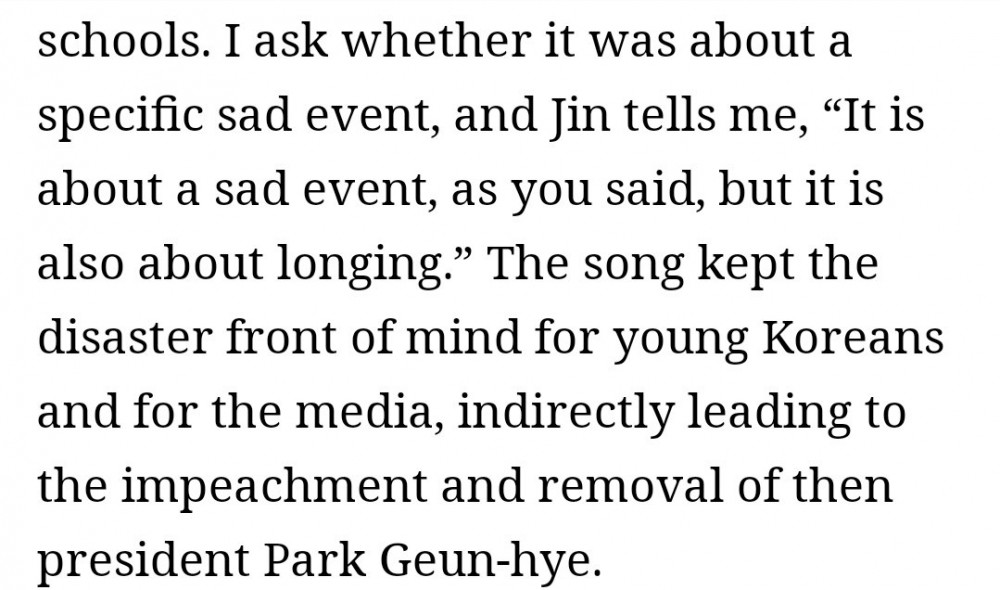
BTS spoke about various topics starting from their take on society's definition of masculinity to their unexpected world domination. Many fans ecstatically read through BTS's interview and could not help but drop their mouths when BTS mentioned the theory behind their popular song "Spring Day."
When BTS released "Spring Day," it was three years after the tragic Sewol Ferry incident. In 2014, a class of high school students was on a school trip on a ferry when the tragedy occurred. The incident was broadcasted on the News as citizens of Korea watched the ferry slowly sinking into the ocean. When the incident occurred, many Koreans were confused as to why the rescue operation took too long.

On this horrific day, 304 people died, with most of the deaths being the young students who were told to stay in their cabins as the boat was engulfed in the water. This was the event that brought light to the administration of President Park Geun Hye.
After the incident, many entertainers who spoke about the incident and spoke against the government were blacklisted and excluded from government support. The commemorative yellow ribbons of the tragic incident were banned in school by the Ministry of Education.
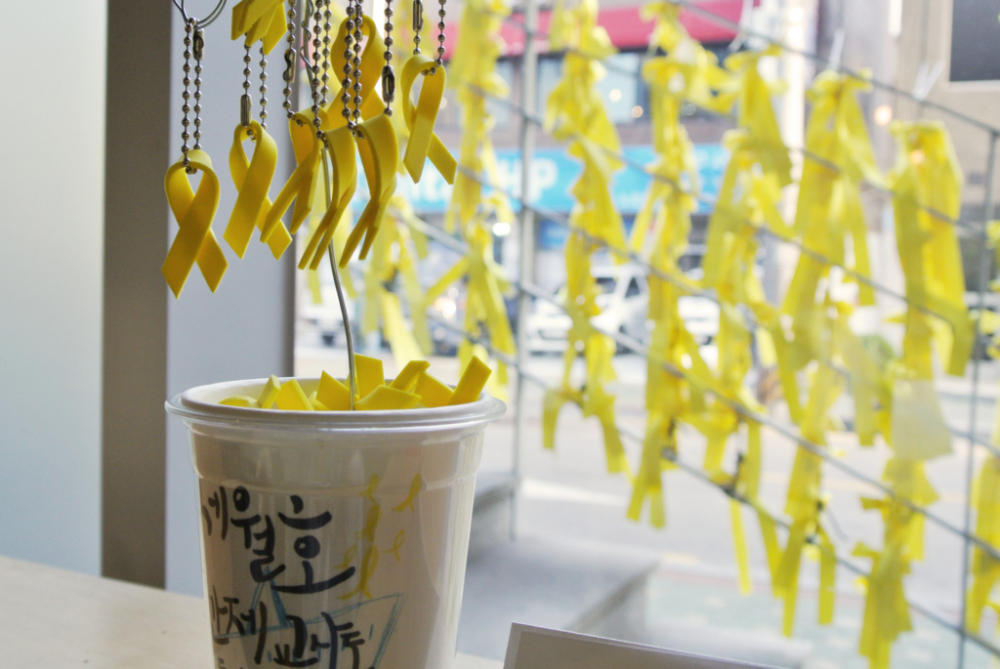
BTS being the idol group known to express their ideology and opinions of society and never shying away from the controversial political subjects, many fans speculated that BTS's "Spring Day" alluded to the Sewol Ferry incident.
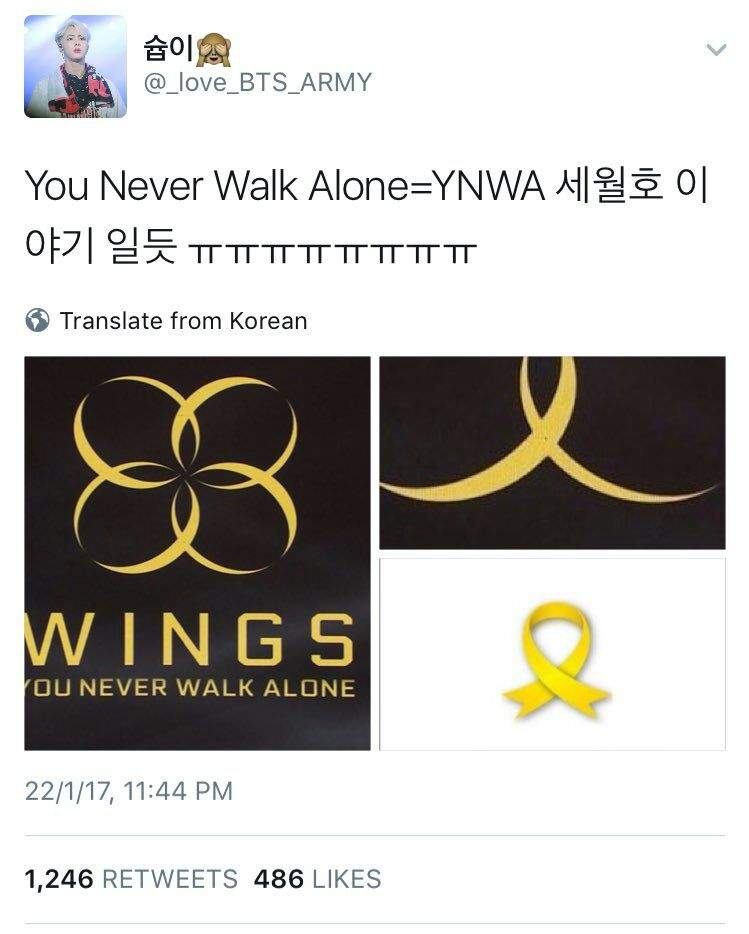
First, fans related the song to the Ferry incident as the tragedy occurred in Spring. Also, BTS released concept photos with yellow writing on a black background when making a comeback reminding the fans of the yellow ribbons to commemorate the Sewol victims.
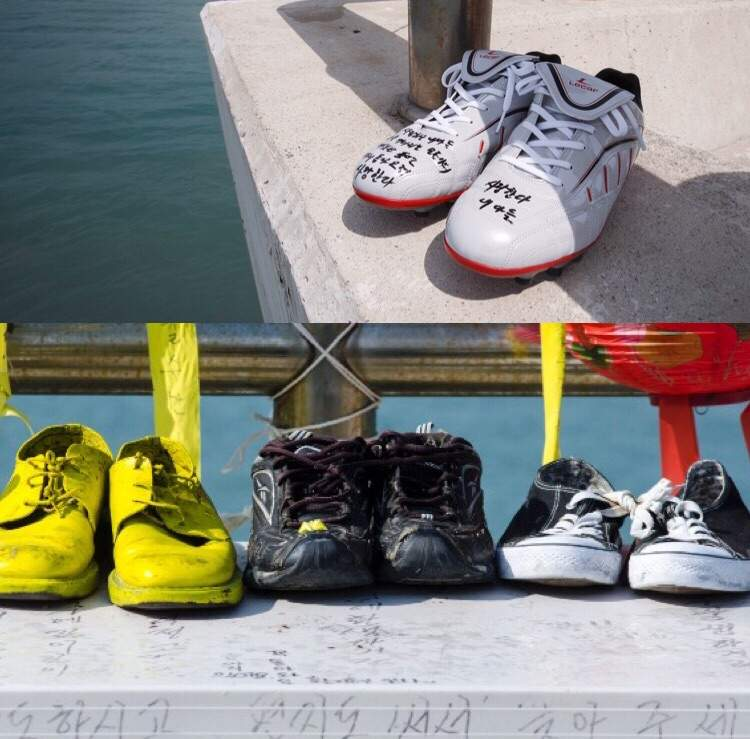
Also, in the music video, member Jimin is seen in front of the sea holding a pair of sneakers. The Sewol Ferry sank in the ocean, but the shoes of the victims were left on the harbor along with yellow ribbons with messages to them.

Many continued their speculations as BTS made donations to the victims after the incident. Three years have passed since the song was released and Jin confirmed that the song was referencing a sad incident. He stated, "It is about a sad event, as you said, but it is also about longing."
Despite the government's censorship and the risk of being placed on the blacklist, BTS was able to deliver the message through the song. After the interview with Esquire Magazine was released, fans were in goosebumps to realize the detailed complexity in BTS songs and were once again amazed by the group.
My jaw is on the floor oh my god
— kookadooks ◺◊◿ ⁷ (@bstpeach) November 23, 2020
I KNOW ! I was surprised too! but tbh i was happy that they answered but the last line was not them , that was the writer but i am glad that they could talk about it
— :)💎ᴮᴱyu⁷ LET'S STREAM BE & BUY LIFE GOES ON🔪🔪🔪 (@7babybonsais) November 23, 2020
honestly all the time ppl think spring day is about losing friends it is but it also mainly about the ferry +
Not the song led to the impeachment but the event itself, Sewel-ho worked as a catalyst. There are a lot of problems happening during that time. Park has been criticized being late for rescue and causing 304 people died and mostly are students on their school trip.
— deadpan.y.c (@DeadpanC) November 23, 2020
SEE ALSO: Korean-inspired merchandise gains popularity as K-culture influence expands
SEE ALSO: BTS’ RM named first-ever global ambassador of the National Museum of Korea
SEE ALSO: BTS unveils exclusive Spotify "Merry Go Round" music video ahead of record-breaking world tour
No articles to show.